

Did you know that the grind size of your coffee beans can dramatically impact the taste of your morning cuppa? It’s true! The size of the grind can make a world of difference in the flavor and overall quality of your coffee.
Key Takeaways:
- The grind size of coffee beans affects the extraction process and flavor of the final cup.
- Using the wrong grind size can result in under-extracted or over-extracted coffee.
- Each brewing method requires a specific grind size for optimal results.
- The type of grinder used also impacts grind consistency and extraction quality.
- Choosing the right grind size and optimizing the brewing process is crucial for a perfect cup of coffee.
How grind size impacts coffee extraction and flavor
The size of coffee grounds plays a significant role in the extraction process and the resulting flavor of the coffee. Coarser grinds, such as those used for French press or cold brew, have a lower surface area and require longer extraction times. If the grind is too coarse, the coffee may be underextracted, resulting in a weak, sour cup lacking sweetness and complexity. Finer grinds, on the other hand, have a higher surface area and extract more quickly and easily. However, if the grind is too fine, overextraction can occur, leading to bitter, ashy flavors and a heavy mouthfeel.
Different brewing methods require specific grind sizes to achieve the desired flavor profile. For example, espresso calls for a fine grind to allow for high-pressure extraction, while a French press requires a coarse grind to prevent overextraction. When selecting the right grind size, factors like roast profile, age of the coffee, and personal taste preferences should also be considered.
Experimenting with different grind sizes can help you find the perfect balance and enhance the flavor of your cup of coffee. It’s also worth noting that using a manual coffee grinder provides more control over the grind size compared to electric grinders, making it a preferred choice for coffee enthusiasts who want to fine-tune their brewing process.
By understanding how grind size impacts extraction and flavor, you can elevate your coffee brewing experience and enjoy a cup of coffee that perfectly suits your taste preferences.
Experience the Precision of Manual Grinding
Discover the art of coffee with our top-rated manual coffee grinder. Achieve the perfect grind for any brewing method, from espresso to French press, with effortless precision and control.
Unlock the full potential of your coffee beans today. Shop now and elevate your coffee experience!
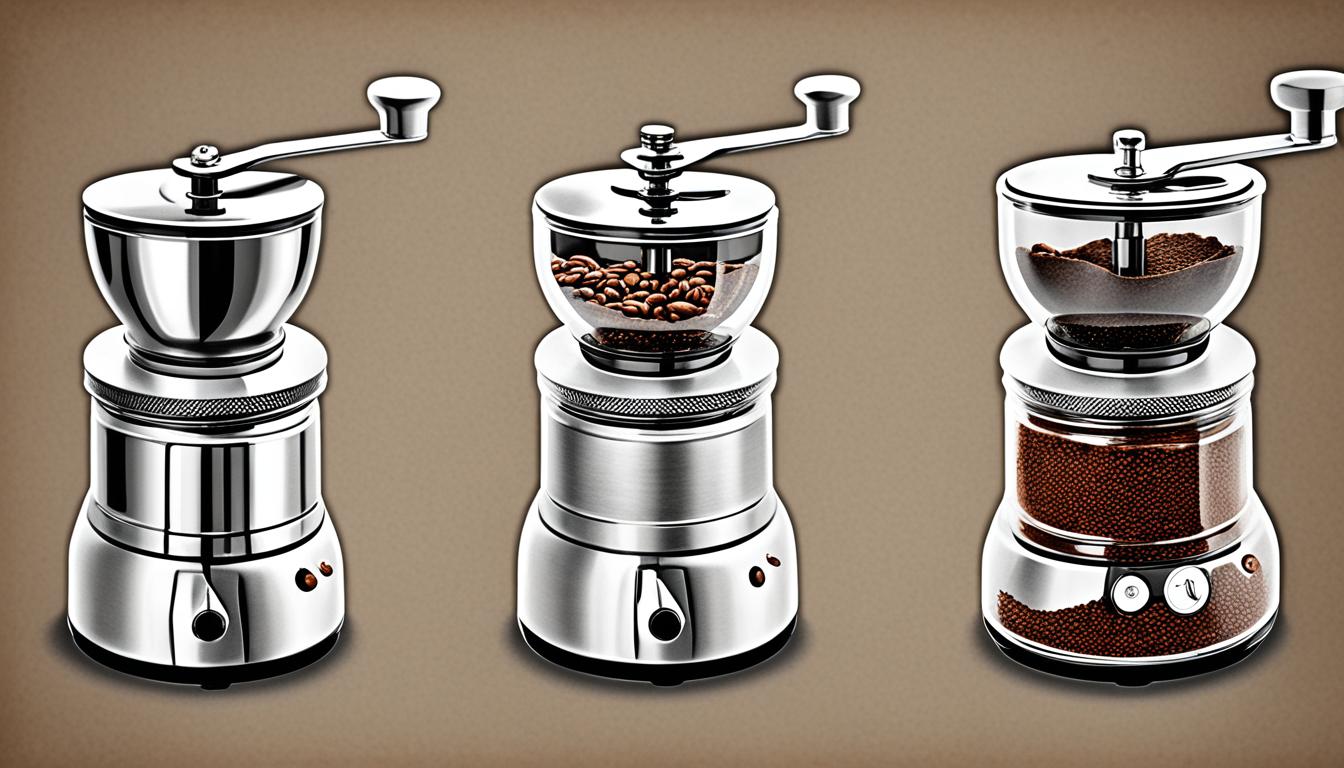
For a visual representation of the impact of grind size on coffee extraction, refer to the table below:
| Brewing Method | Grind Size | Flavor Profile |
|---|---|---|
| Espresso | Very fine | Rich, concentrated, balanced |
| Pour-over | Medium-fine | Bright, floral, clean |
| French press | Coarse | Full-bodied, rich, earthy |
| Cold brew | Coarse | Smooth, low acidity, well-rounded |
Remember that these are general guidelines, and you can adjust the grind size according to your personal taste preferences. The key is to experiment, taste, and make small adjustments until you find the perfect grind size for your desired flavor profile.
Choosing the right grind size and optimizing the brewing process
When it comes to brewing the perfect cup of coffee, one of the most important factors to consider is the grind size. The brewing method you choose will determine the appropriate grind size for achieving the desired flavor profile. Whether you prefer espresso, French press, pour-over, or moka pot, each brewing method requires a specific grind size to make the most of your coffee beans.
But how do you know which grind size is right for your brewing method? It all depends on the extraction process. Darker roasts, for example, are generally more soluble and require a slightly coarser grind to avoid overextraction. On the other hand, lighter roasts may call for a finer grind to ensure thorough extraction and optimal flavor.
To achieve consistency and extraction quality, it is essential to invest in a quality grinder. Manual coffee grinders are a popular choice among coffee enthusiasts for their precision and control. When looking to buy a manual coffee grinder, consider reputable brands known for their craftsmanship and durable materials that ensure longevity. Choosing a manual coffee grinder can offer several benefits, such as portability, lower noise levels, and the ability to adjust the grind size to suit your preferences.
Experimentation is key in perfecting your brewing process. Making small adjustments to the grind size allows you to fine-tune the extraction and achieve the desired taste in each cup. Remember, the grind size is just one piece of the puzzle when it comes to brewing exceptional coffee. Pay attention to other variables like water temperature, coffee-to-water ratio, and brew time to fully optimize your brewing process and enjoy a consistently delicious cup of coffee.